

When it comes to chromium, it’s first important to understand the different forms. Trivalent chromium is a beneficial trace mineral found in foods and dietary supplements. However, this form shouldn’t be confused with hexavalent chromium, a toxic byproduct of steel and other manufacturing industries as well as chromium oxide, which is used in green dyes. (5)(6) For obvious reasons, the chromium element found in foods and supplements is the form to focus on to enhance health. Chromium supplementation may help improve fasting blood glucose levels in patients with type 2 diabetes.For most people, getting the chromium AIs from the diet is pretty easy.For individuals with increased chromium needs or special health considerations, dietary supplements containing chromium are available.
 Chromium supplementation may help improve fasting blood glucose levels in patients with type 2 diabetes.
What is chromium?
Trivalent chromium is a trace element obtained from the diet and dietary supplements. It plays a key role in helping the body achieve glucose homeostasis. Research shows that chromium can improve insulin sensitivity via several mechanisms including: (2)- Activating cellular energy
- Augmenting the insulin signaling pathway
- Reducing oxidative stress and inflammation
- Up-regulating cellular glucose uptake
Chromium benefits
There is a growing amount of scientific evidence that suggests chromium supplementation can help improve glucose metabolism and insulin sensitivity, particularly in people with diabetes. (1) Low blood levels of chromium have been associated with hyperglycemia, hypertension, insulin resistance, and elevated inflammatory markers. (7)A randomized clinical trial also demonstrated that chromium was able to better manage blood glucose in patients with poorly managed type 2 diabetes compared to placebo. (8) This is consistent with other research demonstrating that chromium lowers fasting blood glucose in patients with type 2 diabetes. (11)Because chromium can help control glucose levels and reduce the risk of insulin resistance, it can also help with weight loss.Weight loss
A meta-analysis of 21 different trials published in 2019 consistently found that the participants who supplemented with chromium lost significantly more weight compared to placebo. (9)Another randomized placebo-controlled trial involving diabetes patients found that the chromium group experienced better blood sugar control as well as weight loss, especially in the abdominal area. (4) Specifically, chromium has also been shown to help people lose fat while maintaining lean body mass, which is important to sustainable weight loss and long-term optimal health. (10)Sources of chromium
Very little chromium is needed to meet the government recommended adequate intakes (AIs), which are outlined in the following table. (5)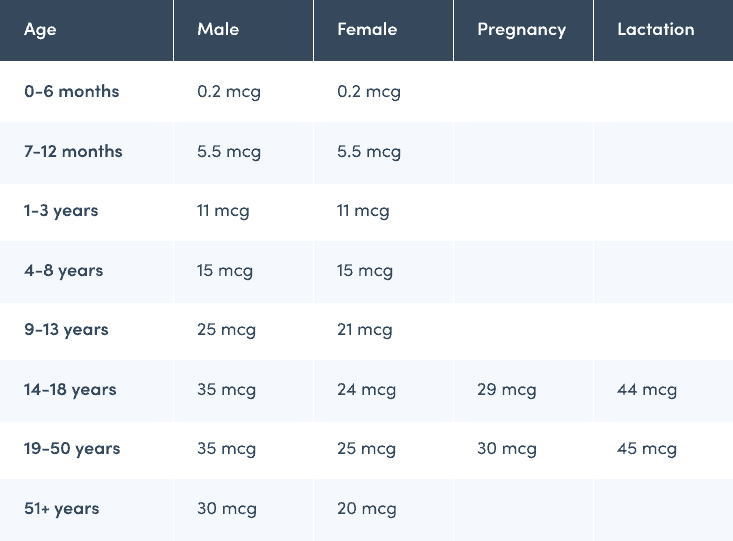 For most people, getting the chromium AIs from the diet is pretty easy.
Chromium foods
Foods high in sugar and most dairy products are typically low in chromium. The following table outlines various dietary sources of chromium and the amounts of this nutrient per serving. (5)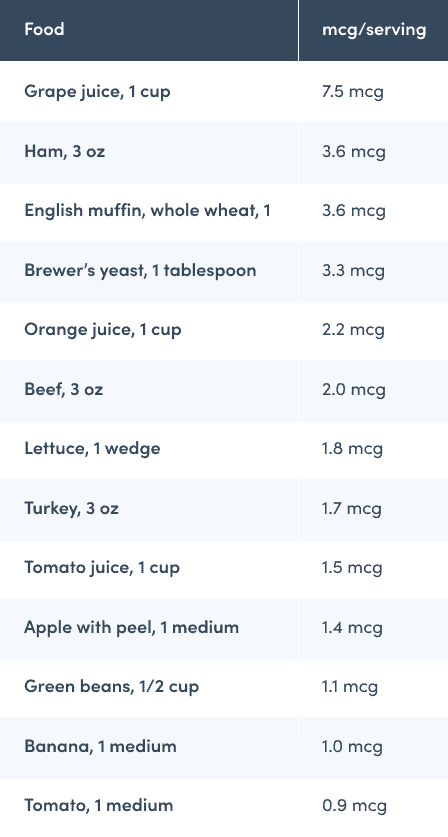 For individuals with increased chromium needs or special health considerations, dietary supplements containing chromium are available.